
Begin with the visitor’s question
An exhibition stand has limited time to communicate. Before selecting a display, decide what a visitor needs to understand, do or ask. A product demonstration may need a short visual explanation; a technical sales discussion may need a searchable set of specifications. Different tasks call for different tools.
This guide replaces our earlier 2024 trends roundup with an evergreen planning framework. It focuses on suitability, delivery and measurement rather than claims about which technology is newest.
Match the medium to the message
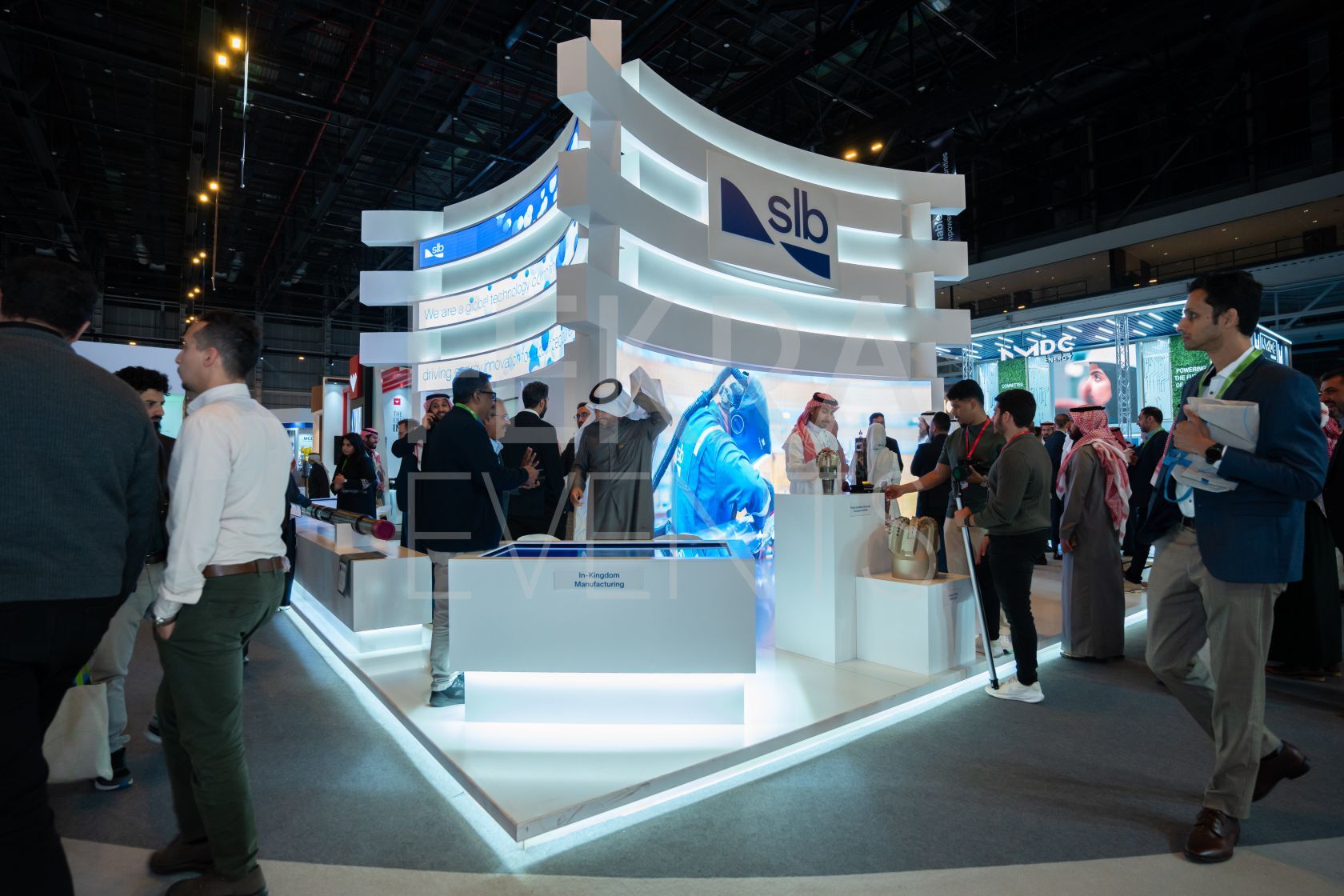
- LED displays: useful for shared visibility and moving imagery. Confirm viewing distance, brightness, resolution, aspect ratio and playback before producing content.
- Touchscreens: useful when visitors need to choose a product, language or level of detail. Keep the interface simple and provide a reset to the starting screen.
- Physical models with digital content: useful for explaining scale, process or components that cannot be brought to the venue. Agree how the model and screen tell one story.
- Immersive or headset experiences: consider throughput, supervision, accessibility, cleaning and an alternative for visitors who do not wish to participate.
- QR-linked content: provide a clear reason to scan and a fast mobile page. Keep essential information available without requiring a personal device.
Plan content before ordering hardware
Write the visitor journey first, then specify the technology. Map each screen or interaction to one purpose and one content owner. Agree languages, source files, review milestones and the final delivery format. Avoid compressing a detailed presentation onto a display that visitors will see from several metres away.
At Alkhorayef Military Industries’ WDS 2026 stand, the published project combines LED displays with dedicated meeting spaces. That is a useful example of planning for both visibility and conversation. Explore the project; it is not evidence of any visitor or sales result.
Design for the exhibition floor
Confirm venue power, network availability, mounting and equipment security. Where content depends on connectivity, agree a fallback such as a local demonstration or an offline presentation. Brief the stand team so they can restart an interaction and continue the conversation if a system becomes unavailable.
Test the real content with people unfamiliar with the project. Watch whether they can understand what to do without a lengthy explanation. Check subtitles, readable text, touch height and a non-interactive route to the same information.
Measure a useful outcome
Select measures that match the objective: completed demonstrations, qualified conversations, requested information or booked follow-up meetings. Define how the team will record them consistently. Views and interaction counts can help explain usage, but they do not by themselves establish commercial return.
If collecting contact information, explain the purpose and agree an appropriate consent and handling process. Keep the interaction useful even when a visitor declines to share details.
Questions before approval
- What should visitors understand or do?
- Who owns the content and its approvals?
- How many visitors can participate at once?
- What happens if power, connectivity or playback fails?
- How will the experience support the sales team after the show?
Explore exhibition stand design and build and event technology as parts of one coordinated brief.
