
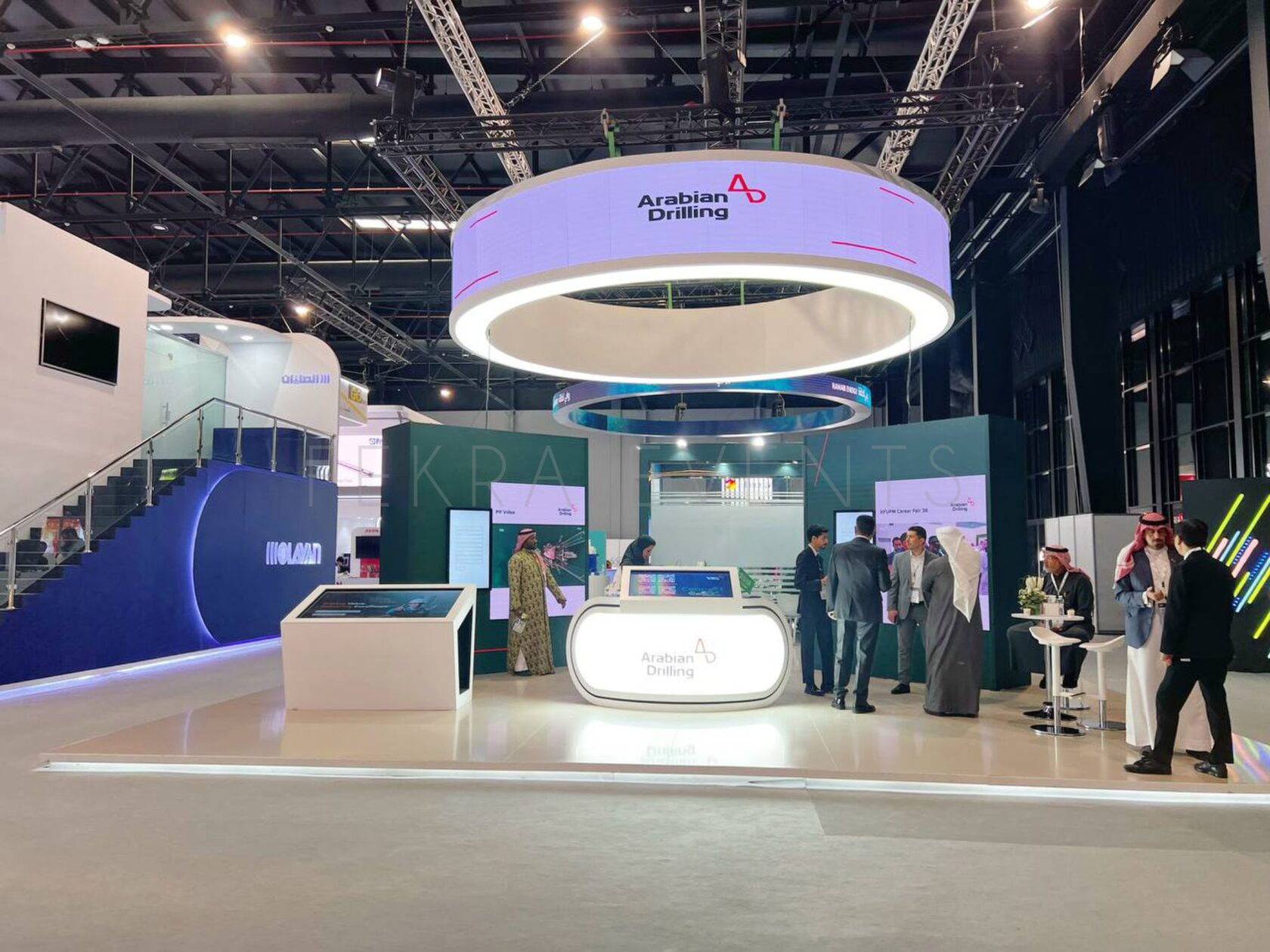
1. Have you delivered work relevant to our brief?
Ask for projects similar in audience, format and production complexity. A visually impressive portfolio is useful, but the partner should also explain its actual role. Where references are available and the client agrees, ask about communication, changes and delivery.
2. What will you deliver directly?
Clarify which services are delivered by the partner and which depend on specialist suppliers. Outsourcing is common; what matters is who specifies the work, checks quality and remains accountable to you.
3. Who will lead the project?
Establish the project lead, decision-making structure and escalation contact. Ask who attends planning meetings and who manages the site. A named point of responsibility reduces confusion when several suppliers are involved.
4. How will you turn the objective into a guest journey?
Ask the partner to explain arrival, registration, content, hospitality and departure in relation to the event’s purpose. The explanation should go beyond a mood board and show how people will use the space.
5. What does the quotation exclude?
Confirm quantities, specifications, operating periods, labour, transport, rehearsal, installation and dismantling. Ask how applicable taxes, venue charges and optional items are shown. See our event budgeting guide for a comparison framework.
6. How are designs and content approved?
Agree design stages, revision allowances and approval deadlines. Ask what happens when a venue rule or production constraint requires a change. Keep a record of the approved drawings, specifications and content versions.
7. How are safety and venue requirements coordinated?
Ask who checks venue guidance, required documentation and applicable approvals, and how specialist contractors are coordinated. Requirements vary by location and scope; avoid accepting a generic assurance as a substitute for a project-specific plan.
8. What is the technical contingency?
Discuss the critical parts of the event: presentations, playback, microphones, power and communications. Ask which backups are appropriate, what is included and who makes decisions if the programme changes.
9. How are additional costs authorised?
Set an approval process before production starts. The partner should explain the cost and schedule effect of a requested change before committing expenditure. Agree who on the client side can approve it.
10. What happens after show day?
Ask about dismantling, venue handover, media delivery and financial reconciliation. Agree what the debrief will cover and which outcomes can actually be measured. A strong partner helps you carry useful lessons into the next project.
Make the decision against your brief
Compare relevant experience, clarity of scope, delivery structure and commercial terms together. The right choice depends on the project, not just the lowest total or the most dramatic presentation. Explore Fekra’s portfolio and consultancy services to start a focused conversation about your requirements.
